October 21, 2026
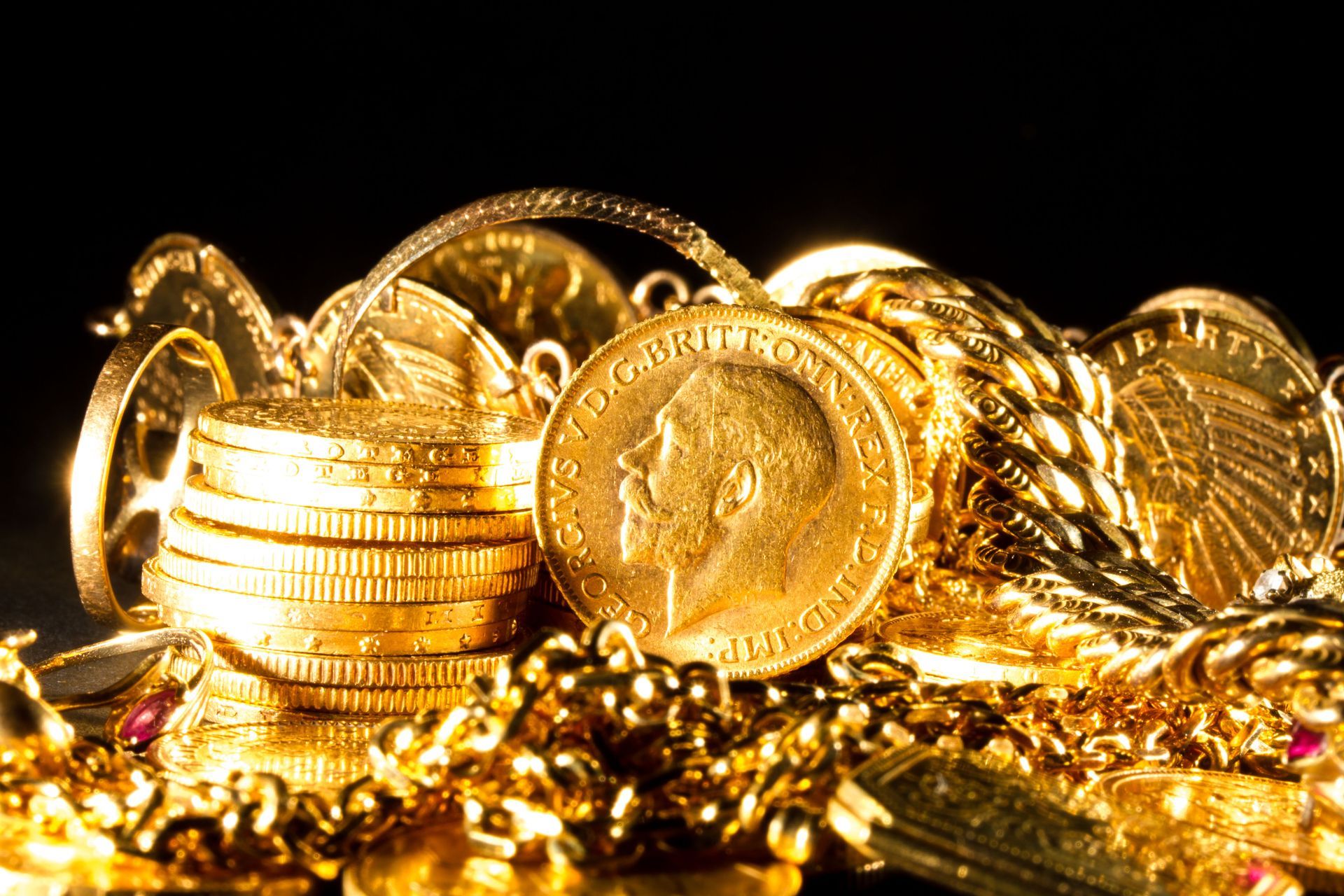
Whether inheriting a family collection or deciding to cash in on accumulated bullion, navigating the precious metals market can feel daunting for first-time sellers. Determining the true worth of old coins, understanding melt values, and finding trustworthy buyers require a clear strategy. Fortunately, working directly with established local coin dealers simplifies the entire process while providing immediate payout without shipping hassles. According to CNBC, gold and silver experienced historic rallies in 2025, surging by 66% and 135% respectively over the course of the year. This dramatic market surge makes present conditions ideal for individuals looking to evaluate and liquidate their precious metal holdings. Understanding how local buyers operate empowers sellers to secure fair market prices quickly and securely. Approaching the selling process with a clear plan ensures that you retain full control over every financial decision.
1. Organizing and Cataloging Your Collection Before Meeting Buyers
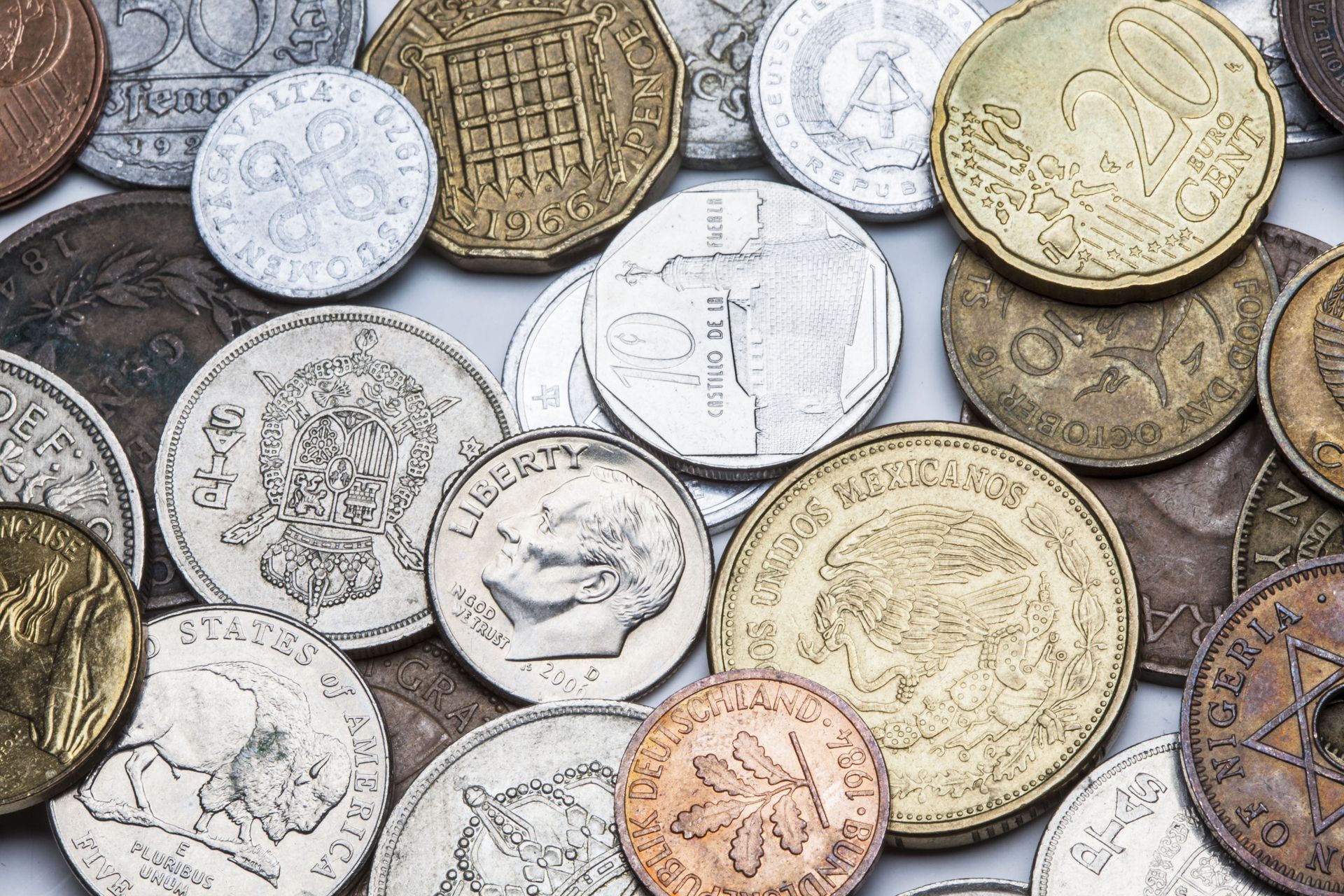
Taking time to sort and document your items before stepping into a shop sets the stage for a smooth, transparent transaction. Grouping your inventory by metal type, face value, mint year, or country of origin helps you quickly identify key pieces. For silver and gold bullion, separating coins by weight or purity allows you to easily calculate overall baseline metal values. Avoid cleaning or polishing any coin, as aggressive scrubbers or chemical cleaners strip away natural patination and drastically reduce numismatic collector value. Even mild soap and water can cause microscopic surface scratches that severely lower an item's grade. Keeping a simple written inventory list helps you keep track of every individual piece during the appraisal. Proper preliminary sorting also prevents high-value commemorative pieces from getting mixed in with standard circulation coins. When you sell coins in an organized state, local dealers can evaluate your collection efficiently, reducing assessment times and minimizing confusion during negotiations.
2. Researching Current Precious Metal Spot Prices and Market Trends
Understanding the underlying value of precious metals gives you significant confidence during sales discussions. Daily spot prices for gold, silver, and platinum fluctuate constantly, forming the base financial baseline for bullion items and common-date circulated coins. Historical key-date coins and rare commemorative issues hold additional numismatic premiums above raw metal weight, making preliminary online research highly beneficial. Tracking daily price movements helps you identify the best windows of opportunity for selling high-volume holdings. Checking reputable financial news outlets ensures that you stay informed about broader economic factors influencing metal values. Understanding market volatility allows you to set realistic expectations before sitting down with an appraiser. Monitoring price trends allows you to time your sale effectively, ensuring you capitalize on peak market cycles. Armed with accurate spot price knowledge, you can evaluate dealer offers realistically when you step into a local shop to sell coins.
3. Gathering Necessary Documentation and Ownership Records
Providing authentic supporting paperwork simplifies verification and builds immediate trust with reputable local buyers. Certificates of authenticity, original purchase invoices, receipts from accredited mints, and professional grading slab labels prove the provenance of high-value items. Professional grading slabs from recognized organizations like PCGS or NGC lock in verified condition grades, eliminating subjective grading disputes during negotiations. Having original mint packaging intact can also increase the resale appeal for modern commemorative sets. Gathering these documents in advance streamlines the appraisal workflow, allowing buyers to complete authentication faster. Well-documented collections present lower risk for prospective buyers, which frequently translates into higher initial purchase offers when you sell coins locally.
4. Selecting Reputable Local Dealers With Established Track Records
Partnering with an established local coin shop offers distinct advantages over online mail-in services or informal peer-to-peer marketplaces. Reputable brick-and-mortar dealers rely on community trust, verified business credentials, and visible customer reviews to maintain their operations. Choosing established storefronts eliminates the severe shipping risks, insurance costs, and lengthy transit delays tied to mailing high-value items across the country. Established local dealers are deeply invested in maintaining positive relationships with regional collectors and sellers. A trustworthy local buyer will always prioritize clear communication and fair business practices over a quick profit. Choosing a shop with a permanent physical location provides an added layer of safety and accountability throughout the process. Local buyers conduct live assessments right in front of you, answering technical questions and explaining how they calculate their offers step-by-step. Working with well-reviewed community buyers guarantees that you receive direct face-to-face service and instant payment when you sell coins.
5. Understanding the Difference Between Melt Value and Numismatic Value
Distinguishing between intrinsic metal weight and collector rarity prevents unrealistic expectations during the valuation process. Common junk silver quarters, modern bullion eagles, and worn circulated coins derive their primary worth from raw metal content, known as melt value. In contrast, low-mintage dates, rare error strikes, and pristine uncirculated specimens carry significant numismatic premiums that far exceed raw bullion content. Knowing whether your coins are primarily bullion or rare collectibles saves valuable time during the negotiation process. Experienced local buyers utilize specialized digital scales, sigma metal verifiers, and reference guidebooks to accurately separate standard bullion from rare numismatic treasure. Learning this distinction allows you to ask the right questions while your collection is being evaluated. Recognizing this core distinction helps you understand how buyers structure their price offers when you choose to sell coins from an inherited collection.
6. Obtaining Multiple In-Person Appraisals for High-Value Collections
Seeking secondary professional opinions ensures that you receive competitive market pricing for rare or extensive collections. While standard bullion pricing remains fairly consistent across reputable shops, numismatic premiums for rare coins can vary based on individual dealer inventory, customer demand, and specialist access. Visiting two or three local dealers allows you to compare offer structures, professional expertise, and customer service quality. Comparing quotes gives you a clearer benchmark of the current regional market value for your items. Reputable buyers welcome fair comparison and will gladly explain the specific market factors driving their pricing structure. Securing multiple quotes provides total peace of mind, ensuring you choose the most favorable payout terms when you prepare to sell coins.
7. Preparing Proper Identification and Choosing Immediate Payment Methods
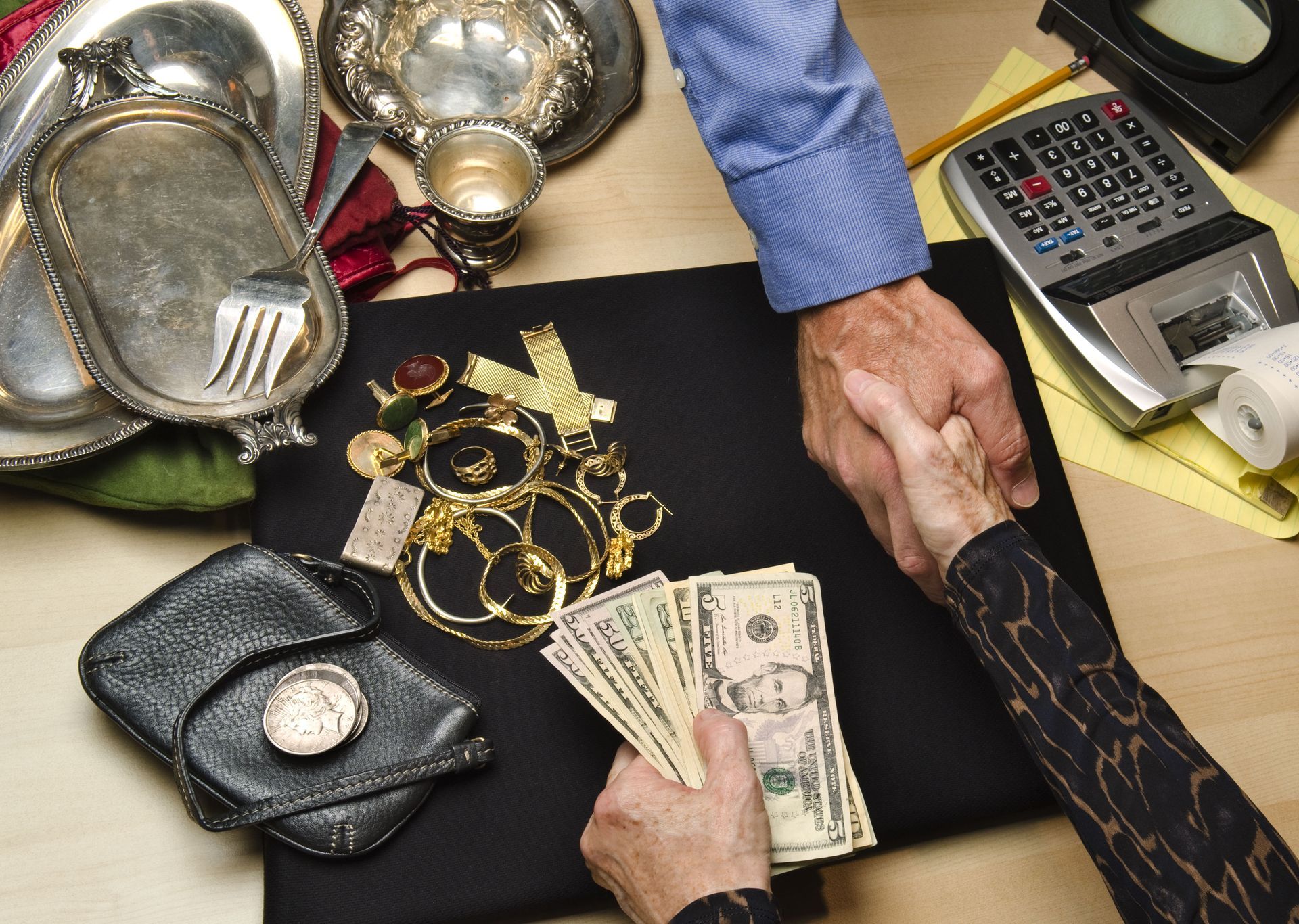
Completing a legal transaction with a licensed local dealer requires standard personal identification and a preference for immediate payment. Federal and state laws require licensed precious metal buyers to record valid government-issued photo identification, such as a driver's license or passport, to combat financial fraud and property theft. Local shops typically offer immediate, flexible payout options, including cash, verified bank checks, or direct electronic transfers on the spot. Having all necessary identification paperwork ready speeds up the final administrative steps at the counter. Confirming your preferred payment option in advance prevents any unexpected delays once an agreement is reached. Transparent payment terms allow you to walk away from the transaction feeling entirely satisfied with your sale. Receiving immediate payment eliminates the anxiety of waiting for mailed checks or third-party digital clearing periods. Bringing proper identification and confirming your preferred payment method beforehand ensures you wrap up the transaction effortlessly when you sell coins to local specialists.
Working with experienced local buyers remains one of the safest, most transparent ways to convert physical coin collections into immediate liquidity. By organizing your items, researching current market trends, gathering documentation, and selecting reputable storefronts, you remove complexity from the appraisal process. Understanding how professional valuation works protects your investment and ensures you receive fair market value for both rare numismatic pieces and heavy bullion coins. Whether liquidating inherited silver dollars or taking advantage of historic gold market highs, local dealers provide the expertise, security, and instant payment necessary for a seamless transaction. Visit A&D Gold & Silver today for an expert evaluation and top-dollar payout on your entire coin collection.